Lines - Games

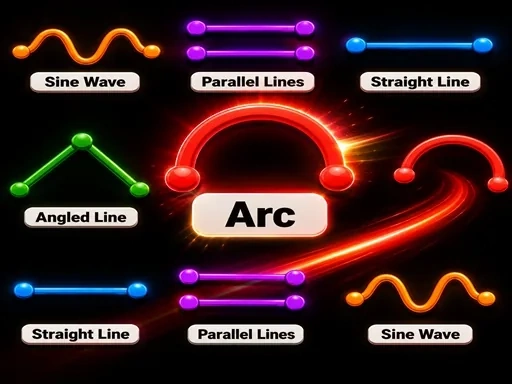
In game design, lines serve as fundamental visual and structural elements. They guide player movement through environmental boundaries, define interactive pathways in puzzle mechanics, and create spatial relationships in level architecture. Lines establish rhythm in platforming sequences, represent connections in narrative diagrams, and form the building blocks of minimalist art styles. Their directional quality influences player perception and decision-making, while their absence or disruption can signify gameplay challenges. From subtle UI dividers to prominent environmental features, lines shape both the visual language and interactive logic of gaming experiences.